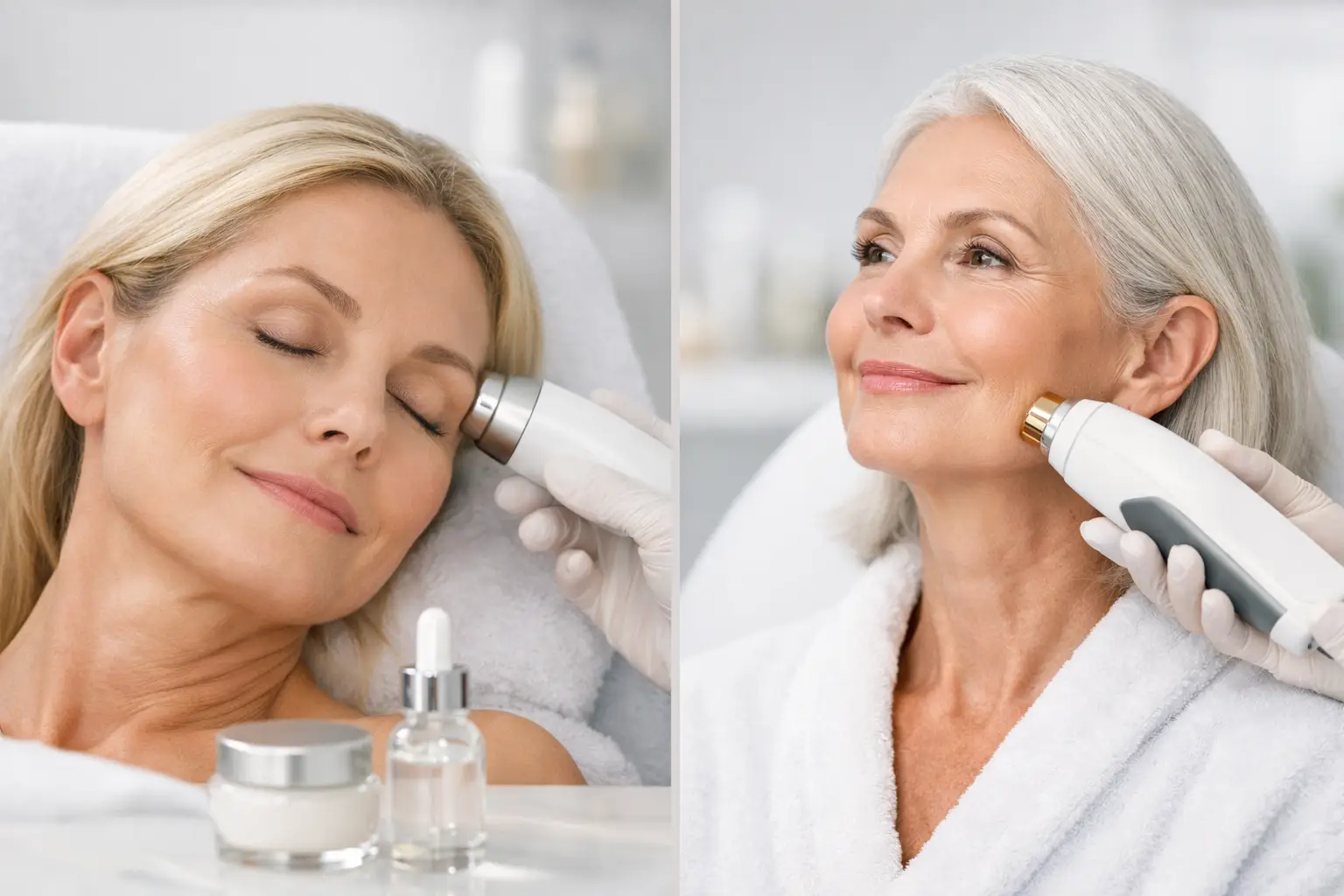
A treatment can look beautifully subtle and still be medically meaningful. That is why the question, are anti wrinkle treatments safe, deserves more than a simple yes or no. When a suitable treatment is selected, administered by a properly qualified practitioner and supported by thoughtful aftercare, non-surgical facial rejuvenation can have a strong safety profile. Yet no aesthetic procedure is entirely risk-free, and the safest plan is always the one designed around your skin, facial anatomy and goals.
For many people, the aim is not to look different. It is to soften lines that make them appear tired, concerned or less like themselves, while preserving natural movement and expression. Safety and elegant results are closely connected: careful clinical judgement prevents overtreatment as well as avoidable complications.
Are anti wrinkle treatments safe when personalised?
Anti-wrinkle treatments is a broad term. It may include neuromodulator treatments that relax selected facial muscles, hyaluronic acid dermal fillers that restore or refine volume, and skin-focused procedures such as CO2 laser resurfacing, IPL treatments, microneedling or mesotherapy. These treatments work in different ways, so their safety considerations are different too.
The common thread is personalisation. A safe treatment plan begins with understanding whether lines are caused mainly by muscle movement, loss of facial volume, sun-related texture changes, dehydration, or a combination of these factors. Treating every concern with the same product or technique can lead to results that feel less refined and may introduce unnecessary risk.
A consultation should consider your medical history, current medicines and supplements, allergies, previous aesthetic treatments, skin type, lifestyle and the result you would like to achieve. It should also include an honest discussion about what a treatment can realistically improve. A practitioner who occasionally recommends waiting, treating less, or choosing a different option is putting your wellbeing before a quick sale.
What makes an anti-wrinkle procedure safer?
Safety is not simply about the treatment itself. It relies on a series of decisions made before, during and after your appointment. The quality of the consultation, the practitioner’s understanding of facial anatomy, sterile technique, appropriate product selection and clear aftercare all matter.
For injectable treatments, precision is especially important. Facial blood vessels, nerves and muscles vary from person to person. An experienced practitioner uses detailed anatomical knowledge, conservative placement and carefully chosen doses or volumes to support a natural-looking outcome. The goal is not to freeze expression or fill every line. It is to create balanced, subtle rejuvenation that still looks like you.
A reputable clinic should also use approved, traceable products stored correctly, maintain high hygiene standards and have a clear protocol for recognising and managing complications. This level of preparation is reassuring, but it should be expected rather than treated as an optional extra.
Understanding the risks by treatment type
Every procedure has potential side effects. Most are temporary and mild, but knowing what to expect helps you make a calm, informed decision.
Neuromodulator treatments
Neuromodulator treatments are commonly used for expression lines on the forehead, between the brows and around the eyes. When appropriately prescribed and precisely placed, they can soften movement-related lines while retaining a refreshed, natural expression.
Common short-term effects include small areas of redness, swelling, tenderness or bruising at injection points. Some people experience a mild headache. Less commonly, treatment may settle unevenly or temporarily affect a nearby muscle, causing a heaviness in the brow or eyelid. These effects generally improve as the treatment wears off, but careful assessment and technique reduce the likelihood.
The right dose is highly individual. Stronger treatment is not necessarily better. For patients who value natural movement, a measured approach is often both aesthetically preferable and easier to adjust over time.
Dermal fillers
Hyaluronic acid dermal fillers can restore volume in areas such as the cheeks, lips, chin or lower face, and may soften folds caused by structural volume loss. They can be an elegant choice when used sparingly and with respect for the proportions of the face.
Temporary swelling, bruising, tenderness and slight asymmetry can occur, particularly during the first days after treatment. More serious complications are uncommon but possible. Inadvertent compromise of a blood vessel requires prompt assessment and treatment. Severe or increasing pain, unusual blanching or discolouration of the skin, or any visual disturbance after filler should be treated as urgent and assessed immediately.
This is one reason filler should never be approached as a casual beauty service. It is a medical aesthetic procedure requiring in-depth anatomical expertise, appropriate emergency preparation and attentive follow-up.
CO2 laser resurfacing, IPL and microneedling
Skin-resurfacing treatments can improve texture, fine lines, uneven tone and signs of photoageing by encouraging skin renewal. They are often most effective when chosen for a clearly defined concern and planned around your skin’s recovery needs.
CO2 laser resurfacing is more intensive and involves a meaningful healing period. Redness, swelling, sensitivity and peeling are expected parts of recovery. Risks may include prolonged redness, infection, scarring or pigment changes, particularly if aftercare is not followed or the treatment settings are unsuitable for the individual.
IPL treatments and microneedling are typically associated with shorter recovery, but they still require skilled assessment. Temporary warmth, redness and sensitivity are common. For IPL, matching the settings to skin tone and the concern being treated is vital. For microneedling, cleanliness, controlled depth and appropriate timing are key to protecting the skin barrier.
Who may need to delay treatment?
A consultation is also where a practitioner identifies when treatment should be postponed or avoided. Active skin irritation or infection in the intended area, recent intensive procedures, certain health circumstances, pregnancy or breastfeeding, a history of problematic scarring, and some medicines may affect suitability. The details depend on the procedure.
Be open about treatments you have had elsewhere, including recent fillers, laser procedures and skincare products that may increase sensitivity. There is no benefit in withholding information. It allows your practitioner to protect your skin and choose the most appropriate timing.
How to make your appointment safer
Your role in treatment safety begins before you arrive. Choose a clinic where you feel able to ask direct questions and receive clear answers without pressure. Ask who will perform the procedure, what product or device will be used, what recovery involves, and how the clinic handles unexpected reactions.
Share your complete medical and treatment history, follow pre-treatment guidance carefully and plan your appointment with enough time for recovery where needed. Do not schedule a new treatment immediately before an important event simply because you expect no downtime. Even gentle procedures can cause temporary swelling or redness.
Aftercare is part of the treatment, not an afterthought. Follow the instructions you are given, avoid touching or applying unapproved products to treated skin, and attend any recommended review appointment. If something does not feel right, contact the clinic promptly rather than relying on online reassurance.
The value of a conservative approach
The safest aesthetic result is often the least obvious one. Rather than chasing every line at once, a considered plan may begin with one area, allow time for the skin or muscles to respond, and then reassess. This protects facial harmony and gives you control over how much change feels right.
At LA Clinik in Orihuela Costa, personalised care is centred on subtle rejuvenation, careful planning and results that preserve your individual features. A professional consultation offers the space to discuss your concerns, understand the options and decide whether treatment is appropriate for you.
Feeling informed is a valuable part of feeling confident. Choose a practitioner who listens closely, explains risks with clarity and treats your natural appearance with the same care as your safety.
Zostaw odpowiedź